Recognising and dealing with bullying on college campuses
It鈥檚 not realistic to expect all contempt to instantly vanish when you respond, but it will certainly persist if you don鈥檛 respond, writes Elizabeth K. Englander
June 12, 2024

It鈥檚 not realistic to expect all contempt to instantly vanish when you respond, but it will certainly persist if you don鈥檛 respond, writes Elizabeth K. Englander

In this extract from their book, 鈥楳igrant Academics鈥� Narratives of Precarity and Resilience in Europe鈥�, Olga Burlyuk and Ladan Rahbari explore the ways precarity presents itself in academia

With the shape of the future job market harder to predict than ever before, here鈥檚 how to prepare your students with transferable skills and digital literacy, ready them for job applications and strengthen your university career services

Join three experts from Campus+ institutions in the UK, Europe and Asia as they discuss best practices for universities for identifying, hiring and developing the best people

Read about three elements to include in your research paper abstract and some tips for making yours stand out

Universities can do much to support Indigenous students, strengthening the institution鈥檚 community, increasing visibility and highlighting the needs of Native Nations students and faculty through deliberate action, writes Melissa Faircloth

The National Student Survey tells us students want their voices heard, but what if they don鈥檛 take up opportunities for feedback? Sam Perry looks at challenges of integrating student input (and wonders if chocolate is the answer)

Transformational change requires something closer to the culture of a start-up, which pilots and tests new ideas, takes risks and prizes creative disruption, writes Brian Rosenberg

Higher education will be instrumental in determining whether generative AI ends up as a friend or enemy. Ibiyemi Omeihe and Kingsley O. Omeihe outline what universities can do at this crucial tipping point

Fear of being tokenistic, or feeling they don鈥檛 know enough to start, can stop many people from engaging with queer inclusion. Here, Brooke Sz眉cs offers first steps towards allyship

Through exercises borrowed from improvisational theatre, students can use imaginative thinking and creative problem-solving, learn to think outside the box and embrace ambiguity, writes Joe Conto. Here, he offers ways to help the post-Covid generation reconnect

With the acceleration of technology, the university experience is changing. As academics, it鈥檚 up to us to guide our students through this new normal of learning, navigating information and socialising, writes Nazlihasri Abdul Rahman

Introducing small departmental communication programmes can help students improve writing and presentation skills without overburdening faculty or requiring massive curriculum changes

Institutions looking to deliver experience-driven learning face several challenges, ranging from costs to compliance
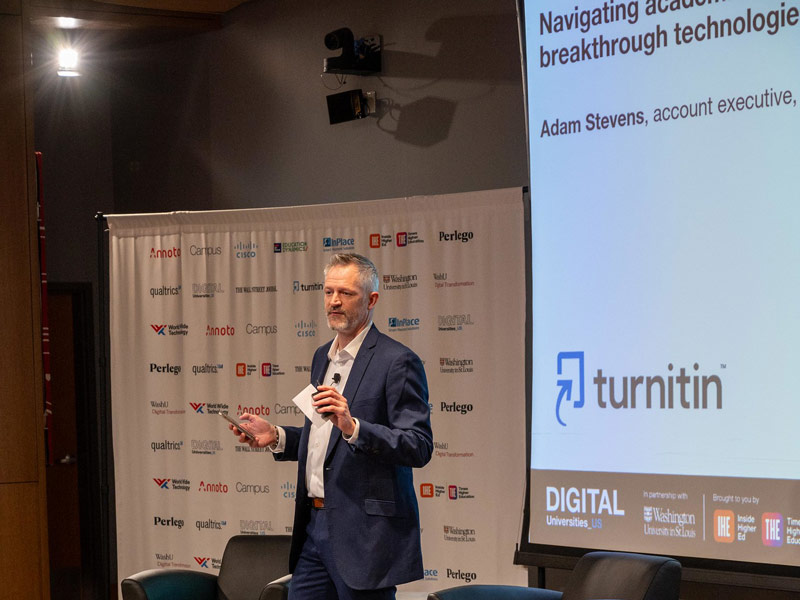
As breakthrough technologies widen the gap between tradition and innovation, higher education has the chance to use these tools to renew approaches to learning